

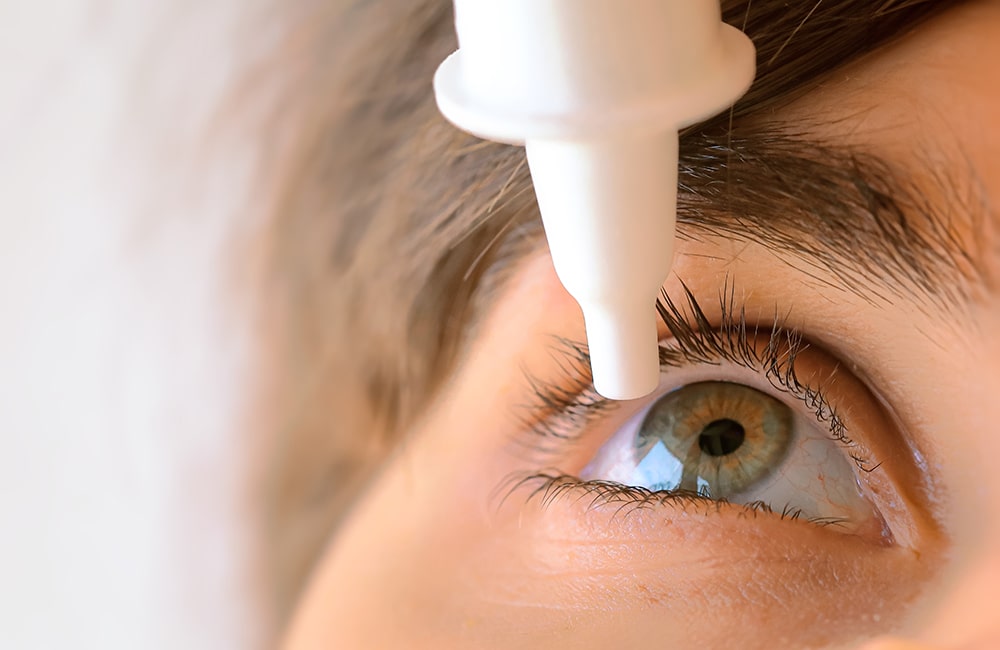
Eye color changing drops are frequently promoted online as a simple way to alter iris color without surgery or contact lenses. These products claim to lighten or darken the eyes through topical application, leading many people to wonder whether they actually work and if the results are permanent. However, questions about their effectiveness, safety, and potential side effects remain a major concern among eye care professionals. In this guide, we examine how eye color changing drops are claimed to work, whether any medications can truly affect eye color, the risks associated with unregulated products, and the safest alternatives for permanent eye color change.
What are eye color changing drops?
Many eye color changing drops claim to lighten or darken the iris over time. However, there is currently no FDA-approved cosmetic eye drop proven to safely and predictably change eye color. While certain prescription medications may affect iris pigmentation as a side effect, over-the-counter products marketed for cosmetic eye color change generally lack scientific evidence.
What Ingredients Can Affect Eye Color
Many cosmetic eye color changing drops claim to influence iris pigmentation through ingredients that affect melanin production. However, the exact formulations used in these products are often undisclosed or poorly documented.
One of the best-known groups of substances associated with eye color changes is prostaglandin analogs, a class of medications commonly prescribed for glaucoma treatment. These drugs can stimulate melanocytes within the iris, increasing melanin production and gradually darkening eye color in some individuals.
While medication-induced eye color changes have been documented in clinical settings, the ingredients and concentrations used in unregulated cosmetic eye drops are rarely disclosed. As a result, users may expose their eyes to substances with unknown safety profiles and potentially harmful side effects.

Medications That Can Change Eye Color
Although cosmetic eye color changing drops have not been proven to reliably alter eye color, certain prescription medications have been associated with changes in iris pigmentation. These changes are typically considered side effects rather than intended cosmetic outcomes and may develop gradually over months or years of use.
Prostaglandin Analog Eye Drops
Prostaglandin analogs are among the few medications scientifically linked to eye color changes. Common examples include latanoprost, bimatoprost, and travoprost, which are widely prescribed to reduce intraocular pressure in patients with glaucoma.
These medications can stimulate melanin production within the iris, causing the eyes to gradually become darker. The effect is usually more noticeable in people with mixed eye colors such as hazel, green-brown, or gray-brown irises and is often permanent.
Can Steroid Eye Drops Change Eye Color?
Steroid eye drops are not known to directly change iris pigmentation in the same way as prostaglandin analogs. However, long-term steroid use may contribute to other ocular complications, including cataracts and increased intraocular pressure. Claims that steroid eye drops can safely lighten or permanently change eye color are not supported by current scientific evidence.
Are Eye Color Changing Drops Safe?
Eye color changing drops are often marketed as a simple cosmetic solution, but their safety remains highly questionable. Unlike prescription medications that undergo extensive clinical testing, most cosmetic eye color drops are sold without robust evidence demonstrating their effectiveness or long-term safety. As a result, ophthalmologists frequently warn against using unregulated products that claim to alter iris pigmentation.
The potential risks depend on the ingredients used, the duration of exposure, and the overall health of the eye. While some products may cause only temporary irritation, others may lead to more serious complications involving the cornea, iris, or intraocular pressure.
| Side Effect | Description |
|---|---|
| Irritation & Redness | Persistent burning sensation and visibly bloodshot appearance. |
| Dryness & Allergies | Severe discomfort, itching, swelling, and loss of natural moisture. |
| Blurred Vision | Corneal swelling that obstructs focal clarity and distorts vision. |
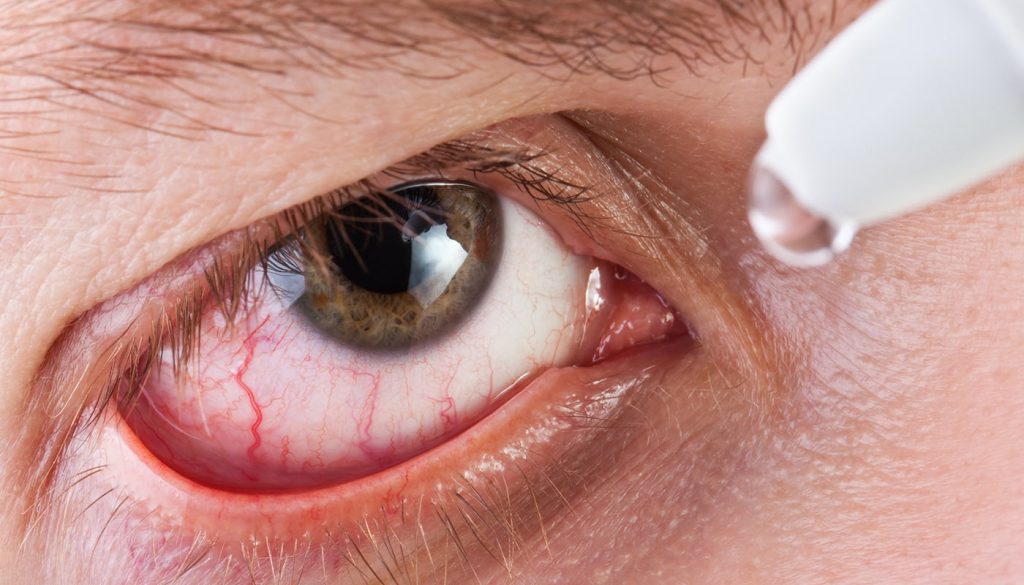
Long-Term Risks of Eye Color Changing Drops
While mild irritation and temporary discomfort are among the most commonly reported side effects, the long-term risks associated with unregulated eye color changing drops may be far more serious. Because many products do not disclose their full ingredient list or undergo independent clinical testing, the effects of prolonged use remain largely unknown.
Potential long-term complications may include chronic inflammation, corneal damage, increased intraocular pressure, and a higher risk of vision-related problems. The severity of these risks depends on the formulation used, frequency of application, and the individual’s ocular health.
| Risk | Description |
|---|---|
| Chronic Inflammation | Persistent swelling of ocular tissues |
| Corneal Damage | Damage to the corneal surface that may affect vision |
| Increased Eye Pressure | Elevated intraocular pressure associated with glaucoma risk |
| Infections | Risk of contamination from unregulated products |
Can Eye Color Changing Drops Cause Blindness?
In extreme cases, severe complications affecting vision may occur if harmful chemicals damage the cornea, trigger uncontrolled inflammation, or contribute to dangerous increases in intraocular pressure. While blindness is not a common outcome, ophthalmologists caution that unregulated products applied directly to the eye can pose significant risks when their ingredients and safety profiles are unknown.
Are Eye Color Changing Drops FDA Approved?
No cosmetic eye color changing drops are currently FDA-approved for permanently changing eye color. While some prescription medications may affect iris pigmentation as a side effect, no approved eye drop exists for cosmetic eye color modification.
How to Spot Fake or Dangerous Eye Color Changing Drops
Many products marketed online make claims that are not supported by scientific evidence. Warning signs include:
- Promises of permanent results within days
- Missing ingredient lists
- No clinical studies or safety data
- False FDA approval claims
- Sales exclusively through social media ads
If a product lacks transparency about its ingredients or safety, it should be approached with caution.
Eye Color Changing Drops vs Other Eye Color Change Methods
Several methods are available for changing eye color, ranging from temporary cosmetic solutions to permanent medical procedures. The differences lie in effectiveness, safety, and how long the results last.
| Method | Effectiveness | Safety | Permanence |
|---|---|---|---|
| Eye Color Changing Drops | Unproven | Questionable | Not established |
| Colored Contact Lenses | High | Safe when properly used | Temporary |
| Laser Eye Color Change | Effective for selected candidates | Requires medical evaluation | Permanent |
| Keratopigmentation | Precise color selection | Performed by specialists | Permanent |
Are There Safe Alternatives to Eye Color Changing Drops?
Individuals seeking eye color change often consider alternatives such as colored contact lenses, laser depigmentation, or keratopigmentation. Each option has its own benefits, limitations, and medical considerations. Consulting an experienced eye specialist is essential before pursuing any permanent eye color change procedure.
FAQs about side effects and medications
- Do eye color drops affect vision clarity? They can severely affect vision by causing dryness, irritation, or inflammation, leading to blurred vision.
- Are there natural alternatives to eye color changing drops? No proven natural alternatives or diets can safely alter the genetic pigmentation of the iris.
- Can birth control pills change eye color over time? No, hormonal fluctuations may cause temporary variations in appearance, but not lasting pigmentation shifts.
- Are there FDA warnings about drugs that change eye color? Yes, the FDA mandates specific warnings for prescription medications like prostaglandin analogs due to their side effect of permanently darkening the iris.